Organising a grand reception in Morocco means coordinating dozens of variables simultaneously, each of which, if it escapes proper management, can compromise the whole. The choice of venue, the configuration of spaces, the logistics of supply, the direction of service teams, the management of the unexpected during a commission: all are domains that require specific competence and experience. The question of the right point of contact is, in this respect, the first strategic decision of a successful organisation.
Rahal Maître Traiteur operates from Casablanca across the whole of Morocco. What this experience has taught about coordinating a grand reception, the House offers to share here with clarity.
What are the specific challenges of organising a grand reception in Morocco?
The diversity of venues and their constraints
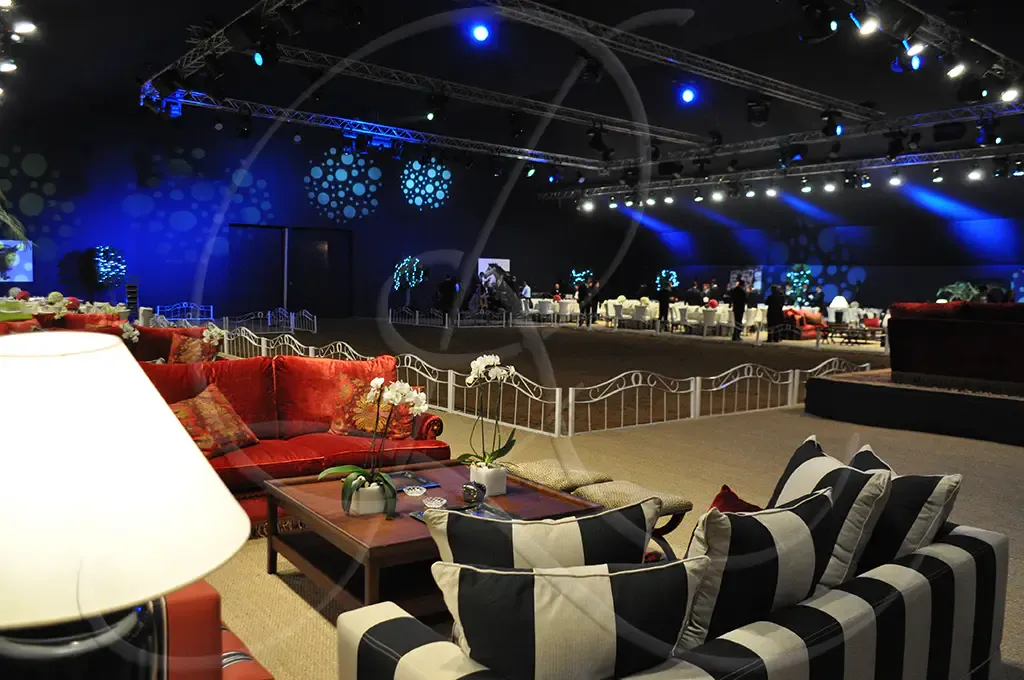
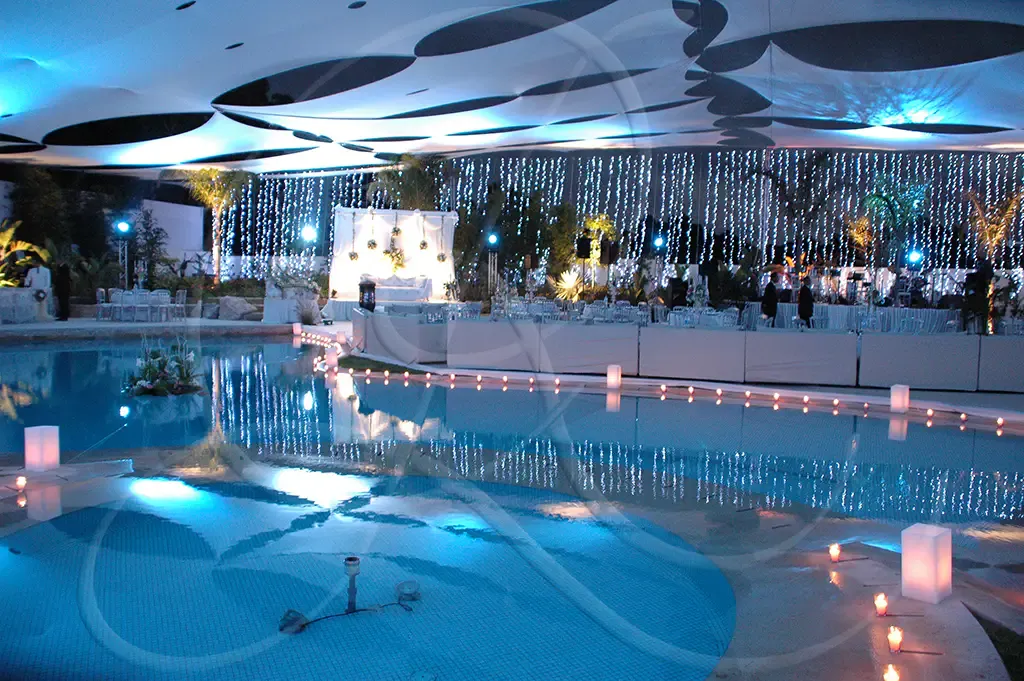
Morocco offers an exceptional range of settings for prestige receptions: riads within the Medina, palm groves of Marrakech, Atlantic coast estates, large modern congress halls, open-air spaces with varied geography. Each of these venues presents its own constraints in terms of access, electrical supply, water availability, actual capacity and the logistics of bringing in equipment.
An experienced caterer does not discover these constraints on the day of the commission. They are integrated during the prior technical site visit, conducted in advance, and the service provision is adapted accordingly. The capacity to work in venues without permanent culinary infrastructure is one of the competences that distinguishes seasoned houses from providers who operate only out of fixed kitchens.
Distances and deployment beyond Casablanca
Grand receptions often take place far from the provider’s logistical base. An event in Marrakech, Tangier, Agadir or Dakhla requires a logistical plan that anticipates transport timescales, cold chain integrity on the road, the accommodation and availability of deployed teams. These constraints are not prohibitive, but they demand rigorous planning that only houses accustomed to operating at a distance from their base can manage without friction.
The rhythms of the Moroccan festive calendar
The calendar of grand receptions in Morocco is heavily concentrated around certain periods: the wedding season from April to September, the end-of-year festivities, the weeks following Ramadan. This concentration creates pressure on every available resource: venues, teams, suppliers. Planning a grand reception outside peak periods offers genuine advantages in terms of availability and quality of preparation. Clients who plan well in advance benefit from a wider choice and a more considered preparation process.
What is the role of a single interlocutor in coordination?
Reducing interfaces to reduce risk
In an organisation with multiple points of contact, every interface is a potential friction point. If the caterer, the floral provider, the furniture hire company and the room logistics manager are not working under unified direction, discrepancies in interpretation of the brief, delivery delays and staging incompatibilities become real risks. A single interlocutor responsible for the whole reduces these risks as a matter of structure.
This role of sole coordinator does not mean the house does everything itself. It means it assumes responsibility for the whole, directs specialist providers according to a coherent plan and guarantees the client a single point of escalation if anything deviates.
Anticipation and the management of the unexpected
A grand reception is prepared over several months, but it is lived in a matter of hours. In those hours, the unexpected is inevitable: a distinguished guest whose late arrival shifts the programme, a piece of equipment that fails, a last-minute menu change for an undeclared dietary requirement. The quality of a coordinator is measured in how they manage these contingencies: without making them visible to the guests, without allowing them to degrade the overall quality, without unsettling the teams.
This quiet crisis management is learned in the field. It is not improvised and it is not acquired through training alone.
How is a major event catering commission prepared?
The technical site visit and the design brief
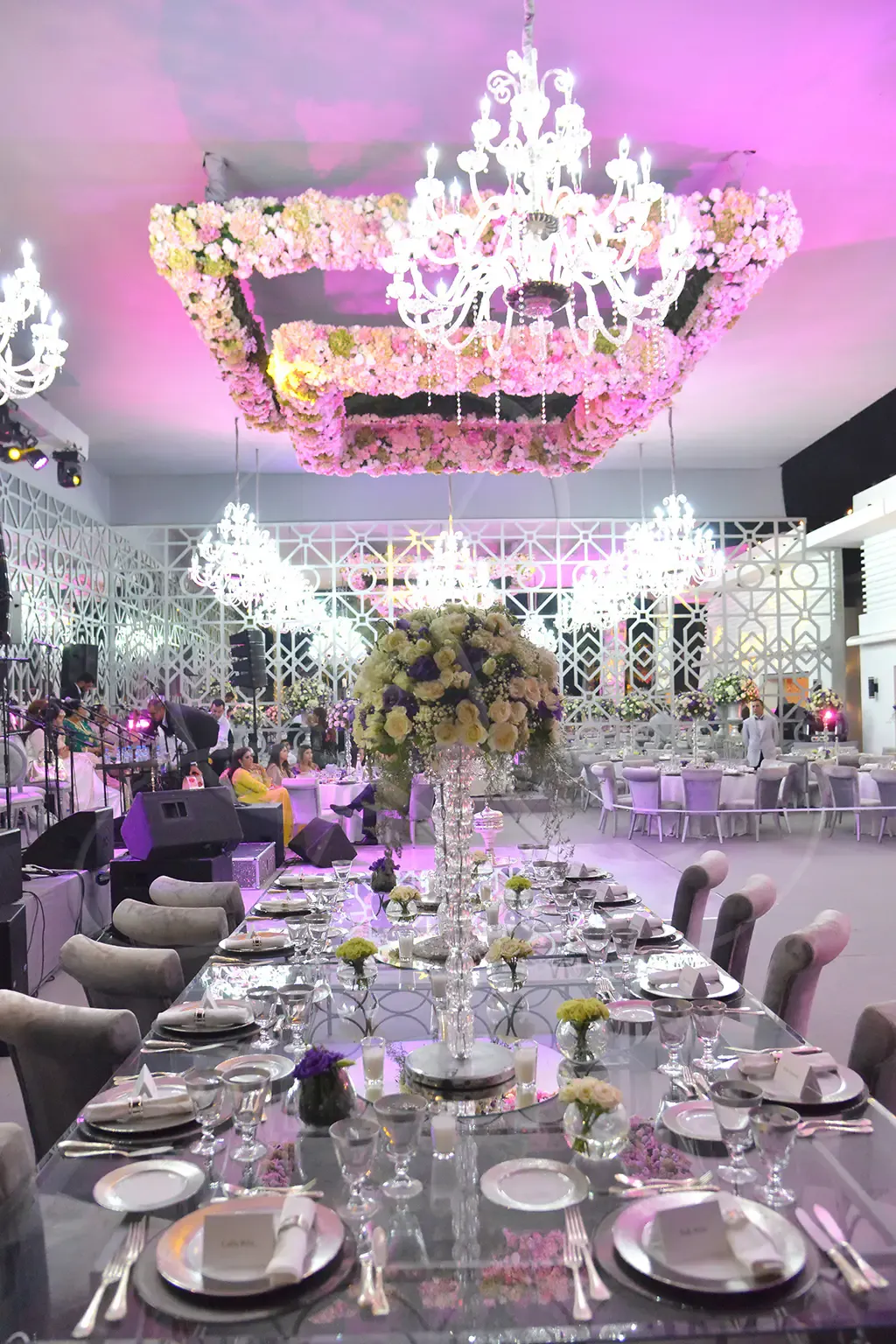
Everything begins with a visit to the venue, in the presence of the client or their representative. This visit makes it possible to assess the physical constraints of the space, to define the layout of the kitchen and service areas, and to open the dialogue on the menu, the table-dressing register and the level of service desired. A precise design brief, drawn from this first meeting, is the foundation of all the preparation that follows.
Rehearsals and team coordination
On large-scale receptions, partial or complete service rehearsals are not a luxury: they are an investment that protects the quality of the occasion itself. They allow the timing of every service sequence to be verified, the flow of teams through the space to be tested, congestion points to be identified and contingency scenarios to be anticipated. Houses that practise this systematically gain a decisive operational advantage.
What criteria allow one to choose a caterer for a grand event in Morocco?
The question of documented references on events of comparable scale and nature is the first serious filter. A caterer who has managed fifty banquets of one hundred guests is not necessarily able to manage one of five hundred. The difference is not merely quantitative: it is organisational.
The second criterion is the real, verifiable logistical capacity to operate in the venue and conditions of the project. The third is transparency in the way the provider presents their organisation, their teams and any subcontractors they engage.
Rahal Maître Traiteur, presided over today by Karim Rahal Essoulami, operates across the whole of Morocco, from Casablanca to Dakhla, for private and institutional prestige receptions.
For an initial discussion about your project, contact the House. To consult our event services, visit the Corporate hospitality page and Our Services.
Frequently asked questions
How far in advance should one contact a caterer for a grand reception in Morocco? For a reception during high season (spring and summer) or a large-scale event, a minimum of three months is advisable. Certain exceptional commissions are prepared six months in advance. The longer the lead time, the more considered the preparation.
Can a caterer operate at a venue without an equipped kitchen? Yes, provided the house has the appropriate mobile equipment and the logistical experience to make use of it. Rahal Maître Traiteur is equipped to operate in spaces without permanent culinary infrastructure, across the full extent of Morocco.
How are dietary constraints managed for a large group? By integrating them from the conception of the menu, with distinct production lines for each identified constraint. Dietary requirements should be declared as early as possible in the preparation process.
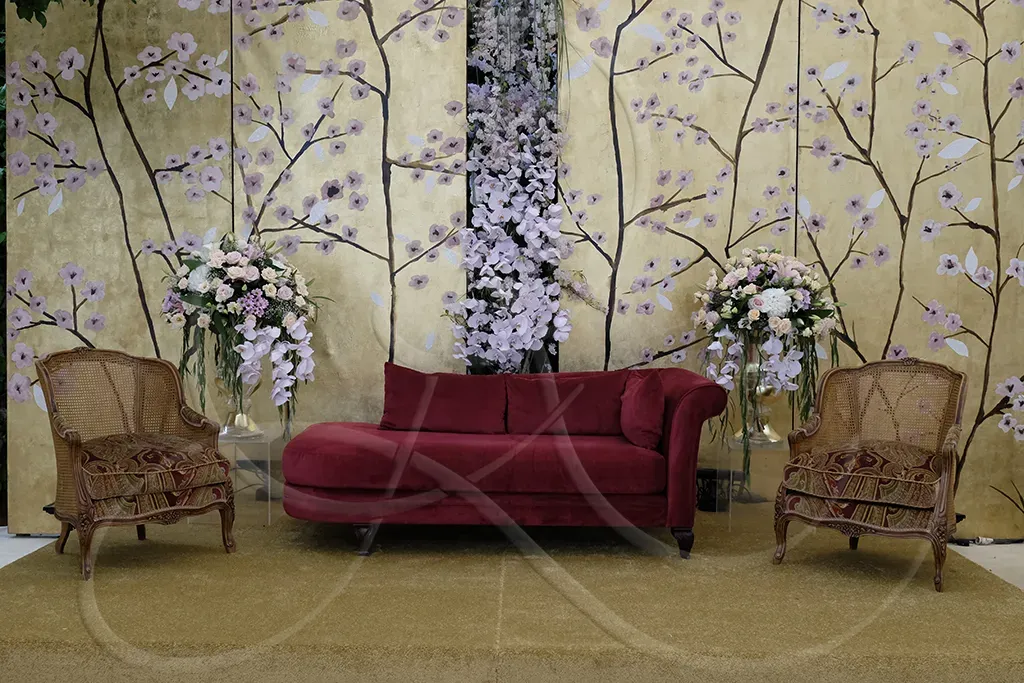
Can a caterer also coordinate the decor and furniture of the reception? Some houses do offer a comprehensive coordination that includes room staging, furniture and floral compositions. Rahal Maître Traiteur can assume this role of sole coordinator depending on the nature of the commission. This is discussed at the first meeting.